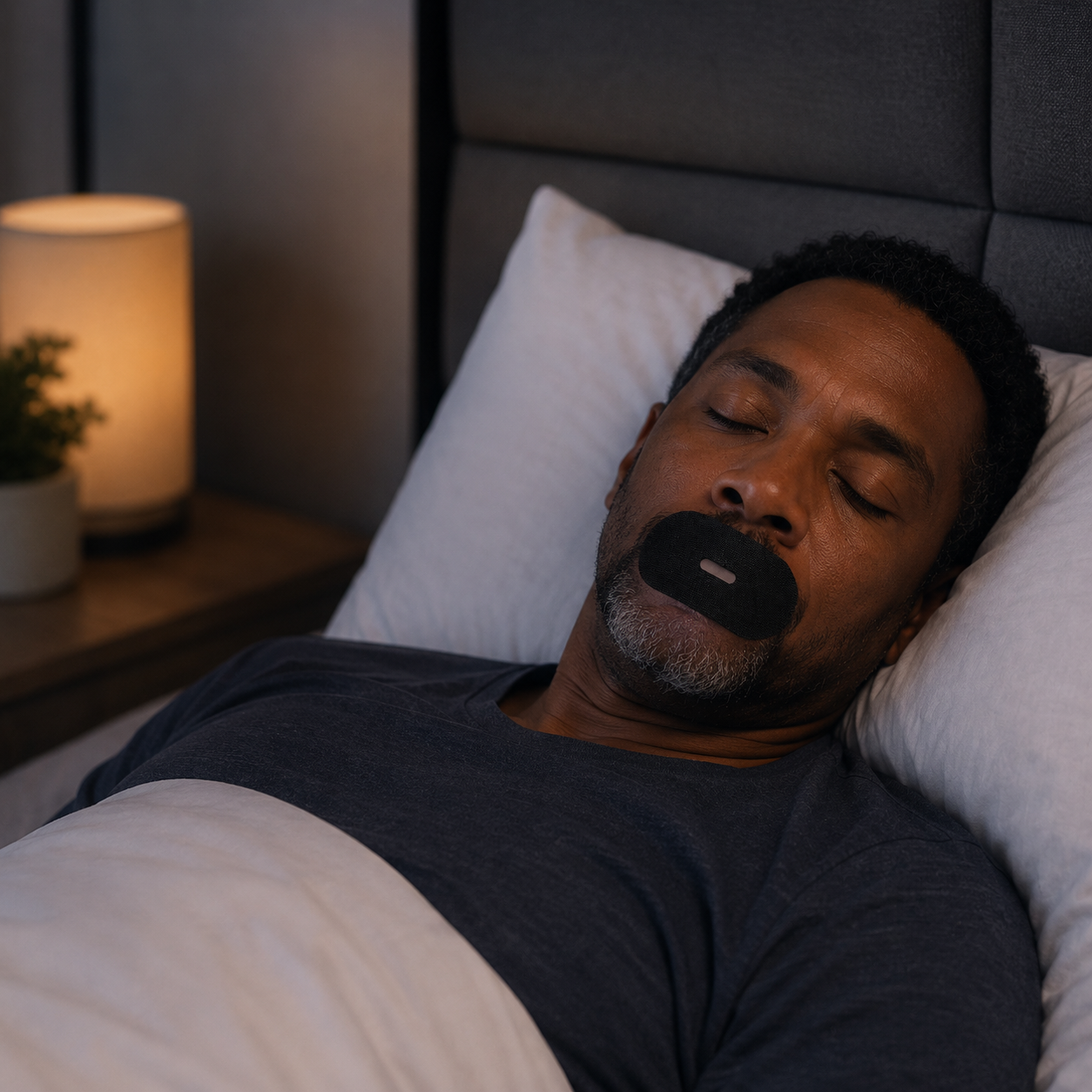
If you've ever struggled to fall asleep because of traffic outside, a snoring partner, noisy neighbours or a busy mind, you've probably come across the idea of white noise.
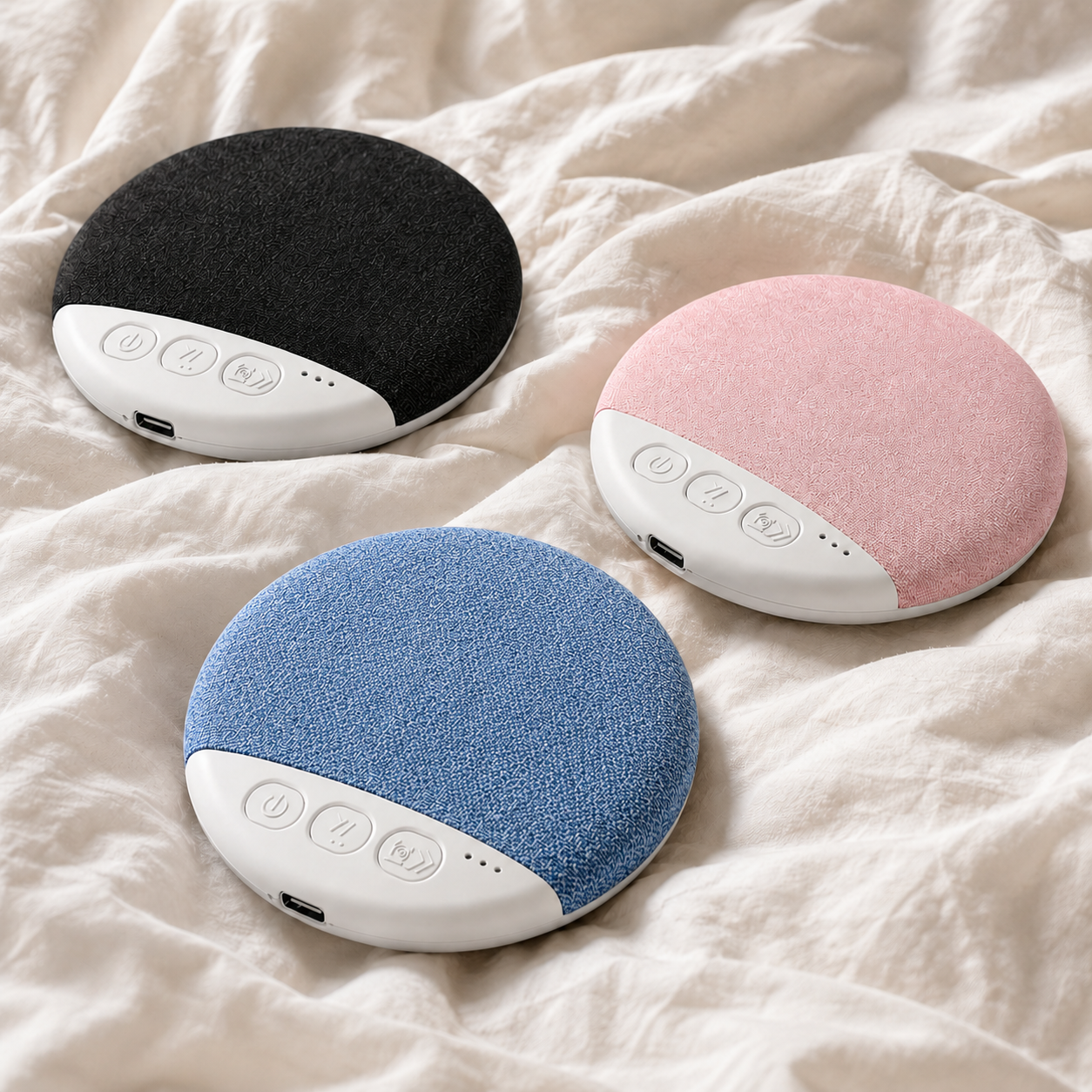
White noise has become one of the most popular sleep tools in recent years, with dedicated sound machines, mobile apps and sleep speakers all promising a better night's sleep.
But does white noise actually work?
Let's take a look at what the research says.
What Is White Noise?
White noise is a sound that contains all audible frequencies played at equal intensity.
Rather than hearing distinct sounds, the brain perceives white noise as a consistent background sound.
Many people compare it to:
‣ A fan running
‣ Steady rainfall
‣ Air conditioning
‣ Gentle static noise
The purpose of white noise isn't necessarily to make you sleep. Instead, it helps create a more consistent sound environment by masking sudden changes in noise that may otherwise disturb sleep.
Why Sudden Noise Disrupts Sleep
Even when we're asleep, our brains continue monitoring the environment around us.
Unexpected sounds such as:
‣ Doors closing
‣ Traffic passing
‣ Dogs barking
‣ Household noises
‣ A partner moving around
can trigger brief awakenings or shifts between sleep stages.
Many of these disruptions are so short that we don't remember them, yet they can still affect sleep quality.
How White Noise May Help
White noise works by reducing the contrast between background silence and sudden sounds.
For example, a passing car may seem loud in a completely silent room. However, when a consistent background sound is already present, the difference becomes less noticeable.
Researchers refer to this as "sound masking."
By making environmental noise less disruptive, white noise may help some people:
‣ Fall asleep faster
‣ Stay asleep longer
‣ Experience fewer sleep interruptions
‣ Create a more relaxing sleep environment
What Does the Research Say?
Research into white noise has produced encouraging results.
A systematic review published in Sleep Medicine Reviews examined the relationship between auditory stimulation and sleep and found that sound-based interventions, including white noise, may help improve sleep quality in certain environments, particularly where background noise is present (Messineo et al., 2021).
Studies have also demonstrated that white noise can reduce sleep disruption caused by environmental noise. Research conducted in hospital environments found that white noise reduced sleep disturbances caused by background noise and helped participants achieve more consistent sleep (Stanchina et al., 2005).
Similarly, a study conducted in a high-noise urban environment found that participants experienced improvements in sleep quality and sleep duration when using white noise during the night (Ebben et al., 2021).
However, researchers note that individual responses vary. Some people find white noise highly beneficial, while others may prefer alternative sounds such as rainfall, fan noise, ocean waves or nature sounds (Jespersen et al., 2022).
White Noise vs Other Sleep Sounds
Despite the name, white noise isn't the only option.
Many people prefer:
Rain Sounds
Gentle and relaxing, often associated with improved relaxation before sleep.
Ocean Waves
Rhythmic sounds that may promote calmness and relaxation.
Fan Sounds
One of the most commonly used sleep sounds due to their consistency.
Brown Noise
A deeper, lower-frequency sound that some people find softer and more soothing than white noise.
Nature Sounds
Birdsong, forests and flowing water can provide a relaxing sleep environment for some individuals.
The best sound is often the one you barely notice.
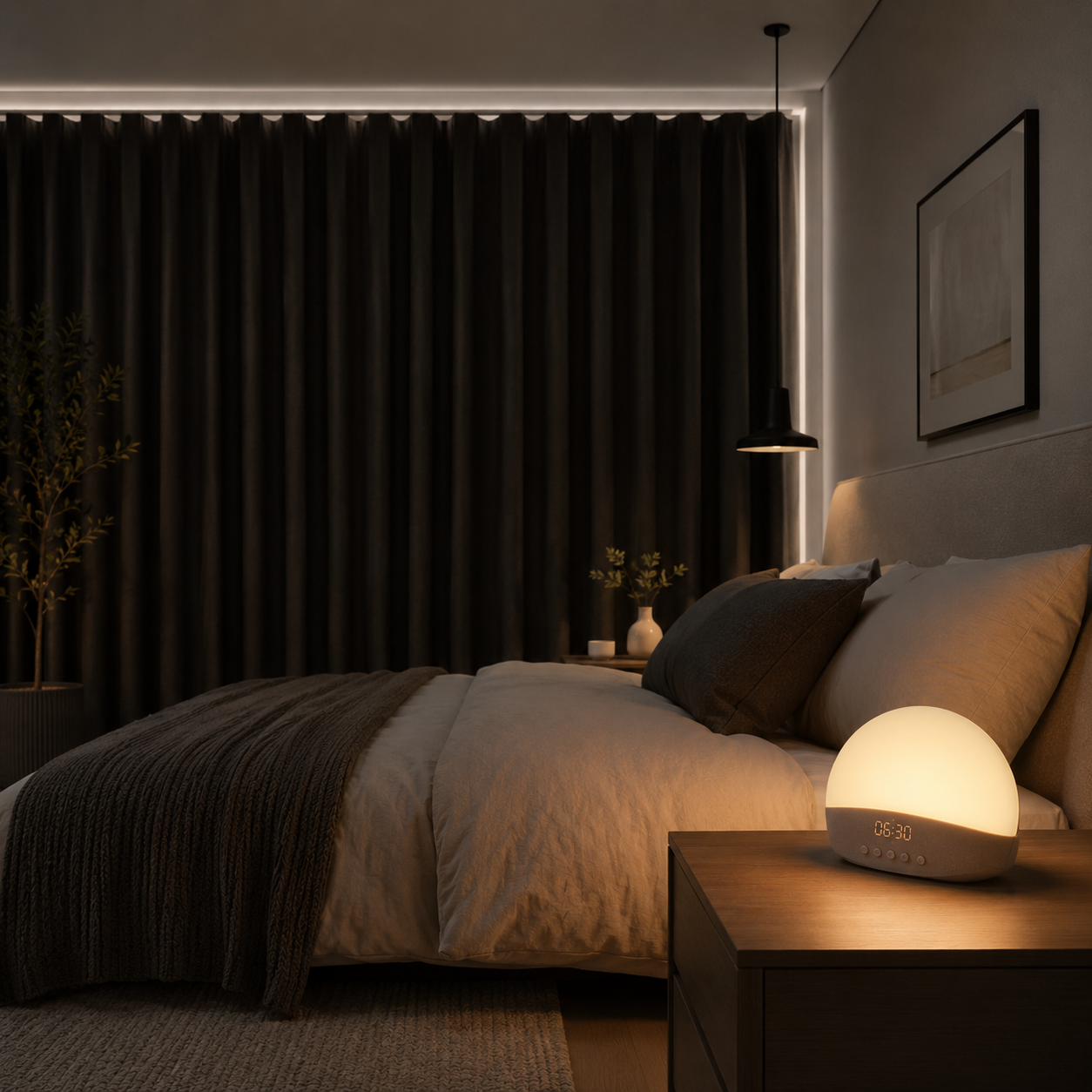
Creating a Better Sleep Environment
White noise works best when combined with other healthy sleep habits.
Research consistently shows that sleep quality is influenced by multiple environmental factors, including noise, light exposure, comfort, temperature and bedtime routines (Messineo et al., 2021).
Creating a supportive sleep environment may include:
‣ Reducing unwanted light
‣ Managing background noise
‣ Maintaining a comfortable bedroom temperature
‣ Using supportive bedding and pillows
‣ Following a consistent bedtime routine
Addressing these factors together is often more effective than focusing on a single intervention alone.
Is White Noise Right for Everyone?
Not necessarily.
Some people sleep perfectly well in silence, while others find background sound incredibly helpful.
The key is experimentation.
If noise regularly disrupts your sleep, white noise may be a simple, low-cost tool worth trying.
For many people, creating a calmer and more consistent sleep environment can make it easier to fall asleep, stay asleep and wake up feeling more refreshed.
The Bottom Line
White noise isn't a magic solution for sleep problems.
However, research suggests that it can help reduce the impact of environmental noise and create a more stable sleep environment for some individuals (Ebben et al., 2021; Stanchina et al., 2005).
When combined with good sleep habits and a supportive sleep environment, white noise may become a useful part of a healthier sleep routine.